
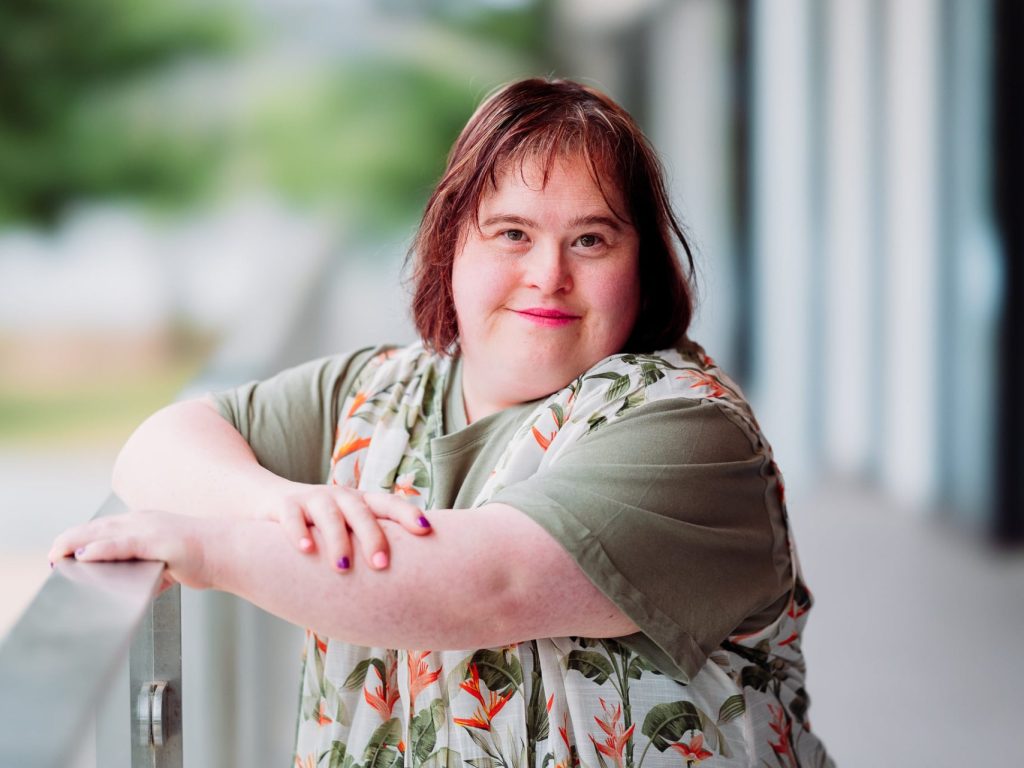
Self advocacy is important for people with intellectual disability of all ages because it empowers individuals to speak up about their needs, preferences, and rights. When people are supported to make choices and express their views, they build confidence, independence, and a stronger sense of identity.
Supporting people to learn about self advocacy and to become advocates is a key part of what ACT Down Syndrome & Intellectual Disability does, ensuring people are included in decisions that affect their lives and can participate more fully in their communities.
ACT Down Syndrome & Intellectual Disability support a group of self advocates through a variety of government funded projects. You can read more about them below under ACT Self Advocates.
Self Advocacy Resources
To help all people be better self advocates and know their rights, ACT Down Syndrome & Intellectual Disability have created a range of resources. These resources aim to support peoples understanding of their rights and how to be a self advocate. All of these resources have been co-designed by people with intellectual disability in the ACT.
These resources have been developed with funding from the National Disability Insurance Agency (NDIA) under a Peer Support and Capacity Building Grant (PSCB). Together we’re ensuring that people with disability keep accessing supports to build their skills and connect with others who have shared similar experiences.
To download these free resources, click on the image’s below.

ACT Self Advocates
ACTDSID supports our locals to advocate for the change that they want to see in the community.
To do this important work, we support several of our members to sit on Advisory Networks, Reference Groups and to present to target audiences. We are always on the look out for fabulous self advocates so if you are a local self advocate please contact the ACT office!

ACT Employment Ambassador
Charlotte
Charlotte began work with ACTDSA in March 2020. She enjoys singing and dancing and writing songs. Charlotte loves to spend time with my friends going to the shops and hanging out together. She started netball this year and is looking forward to playing in a team with her sister, Imogen. She likes keeping fit and goes to the gym as much as she can.
Charlotte is a passionate advocate for open employment for people with disability and has spoken to the United Nations. In 2022 she was awarded a Commendation for the Young Canberra Citizen of the Year Award and was the winner for the ACT Chief Minister’s Inclusion Award – Emerging Young Leader.

ACT Health Ambassador
Kimberley
Kimberley is a caring and friendly lady who is strongly determined and continually strives to achieve her goal of living independently. Kimberley has represented Canberra in the Special Olympics National Games in swimming and has won Gold, Silver, and Bronze. She also completed several life skills and other courses at T.A.F.E. and produced a CD of piano duets with her music teacher.
Kimberley is passionate about drama, and enjoys dancing, writing stories and watching movies. Kimberley loves to work with people and being part of a team.
Since becoming the ACT Health Ambassador Kimberley has been achieving her goal of influencing change, as a member of the ACT Disability Health Strategy Steering Committee and by educating health professionals about the benefits of inclusive communication to improve the health outcomes of people with disability.
Down Syndrome Advisory Network Representative
Annie
Annie lives in Canberra and went to Merici College where she finished Year 12 in 2020. Since then she has studied part time finishing a Certificate 2 in Business Administration and she is currently part way through a Certificate 3.
Annie is passionate about inclusive education and was on the ACIE youth working group in 2021. Annie is a big advocate of inclusive employment as she thinks it is really important for everyone to have a job they love and to get paid.
Lauren sits on the Down Syndrome Advisory Network which provides direct advice to the Down Syndrome Australia Board. DSAN makes sure that Down Syndrome Australia receives direct input from Australians with Down syndrome on issues that affect them.