
People with intellectual disabilities want to work for the same reasons as everyone else – so that they can be independent, have good self-esteem and take pride in their work, contribute to society, earn their own money, learn new skills, meet new people, and feel valued.
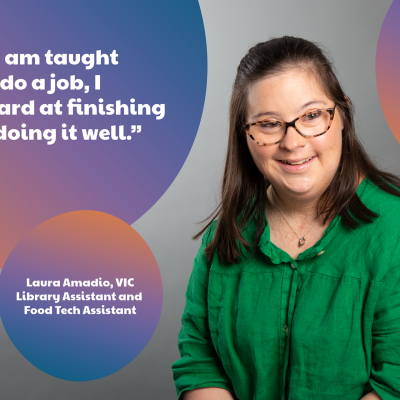
A person with an intellectual disability can achieve great things in the workplace when given the opportunity. Each person is an individual and brings their own strengths, skills and qualities to their job.
Myths & Facts
There are many myths and misunderstandings about people with intellectual disabilities that create barriers to employment.
Myth: People with an intellectual disability need a lot of support with everything.
Fact: Every employee, whether they have an intellectual disability or not, may require some level of support.
Some individuals will require more support than others. It is the responsibility of the employer to ensure that each person receives the necessary training and support to effectively perform their job. This principle applies equally to employees with intellectual disabilities. While they may require additional assistance and more time to learn certain tasks, they may also excel in other areas compared to their colleagues; assumptions should not be made.
Some individuals with intellectual disabilities may have limited speech, hearing or vision impairments, varying abilities in reading and writing, or other specific needs. Adjustments may be necessary, but there are additional government supports available to assist employers in supporting employees with intellectual disabilities.
Myth: People with intellectual disabilities are less productive.
Fact: Australian and overseas studies have found that work performance and productivity is not an issue for workers with disabilities.
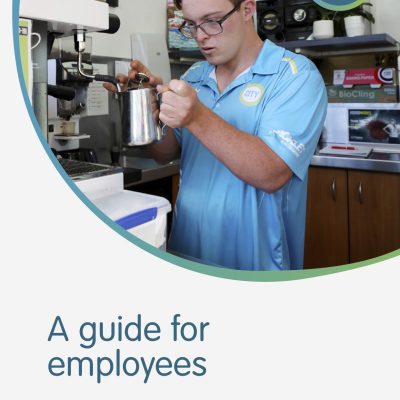
When a person with an intellectual disability has a job that they enjoy, has been properly trained and gets the support they need, they will do it well.
Myth: People with intellectual disabilities (and other disabilities) are unreliable and will take a lot of sick days.
Fact: Again, studies have found that workers with intellectual disabilities actually take fewer sick days than other employees. These studies also indicate that employees with intellectual disabilities are often more punctual and tend to stay in jobs for longer durations compared to their peers without disabilities.
While some individuals with intellectual disabilities may have certain health conditions, advancements in healthcare have enabled many to lead healthy lives, with an average life expectancy well into their 60s. Therefore, like everyone else, they have many years of productive work life ahead when they are fit and able.
DSIDQ Job Club!
Looking for a job? Want to learn new skills? Come to Job Club!
Job Club is based at our Ascot Office, twice a month. At Job Club we can help you:
- Write your resume
- Practice for interviews
- Build Confidence
Our regular job club group runs 10am-2pm on selected dates, and 1 on 1 appointments are available 9-10am and 2-3pm on these same dates.
Dates for Job Club:
Tuesday 7 April
Tuesday 21 April
Tuesday 5 May
Tuesday 19 May
Tuesday 2 June
Tuesday 16 June
If you would like to attend Job Club, please email office@dsidq.org.au letting us know which date you would like to come to.
Resources
There are many resources and guides that can support your transition into work, guiding employers and guides for employees. You can find these in the Resource Hub of our website.

Meet DSA Employment Ambassador, Eoin
Down Syndrome Australia is showcasing success stories from individuals employed through their Right to Work project, aiming to challenge misconceptions surrounding hiring individuals with Down syndrome, like Eoin.
Eoin is employed by Coles, where he works both in fresh produce and in the bakery. He firmly believes that all individuals, including those with Down syndrome, have the right to work and that by supporting one another, anything can be achieved.
For more information visit: downsyndrome.org.au/right-to-work/